
Harmony Homecare Suffolk

Harmony Homecare Suffolk

What we do

Care at home, made personal.

Practical, warm support in your own home — from an hour of company a week to a live-in carer sharing the house.

How care with us begins

Three unhurried steps. No obligation to go further.

Step 1

Have a chat

A phone call with our office. No forms, no pressure. Tell us what's going on.

Step 2

Meet at home

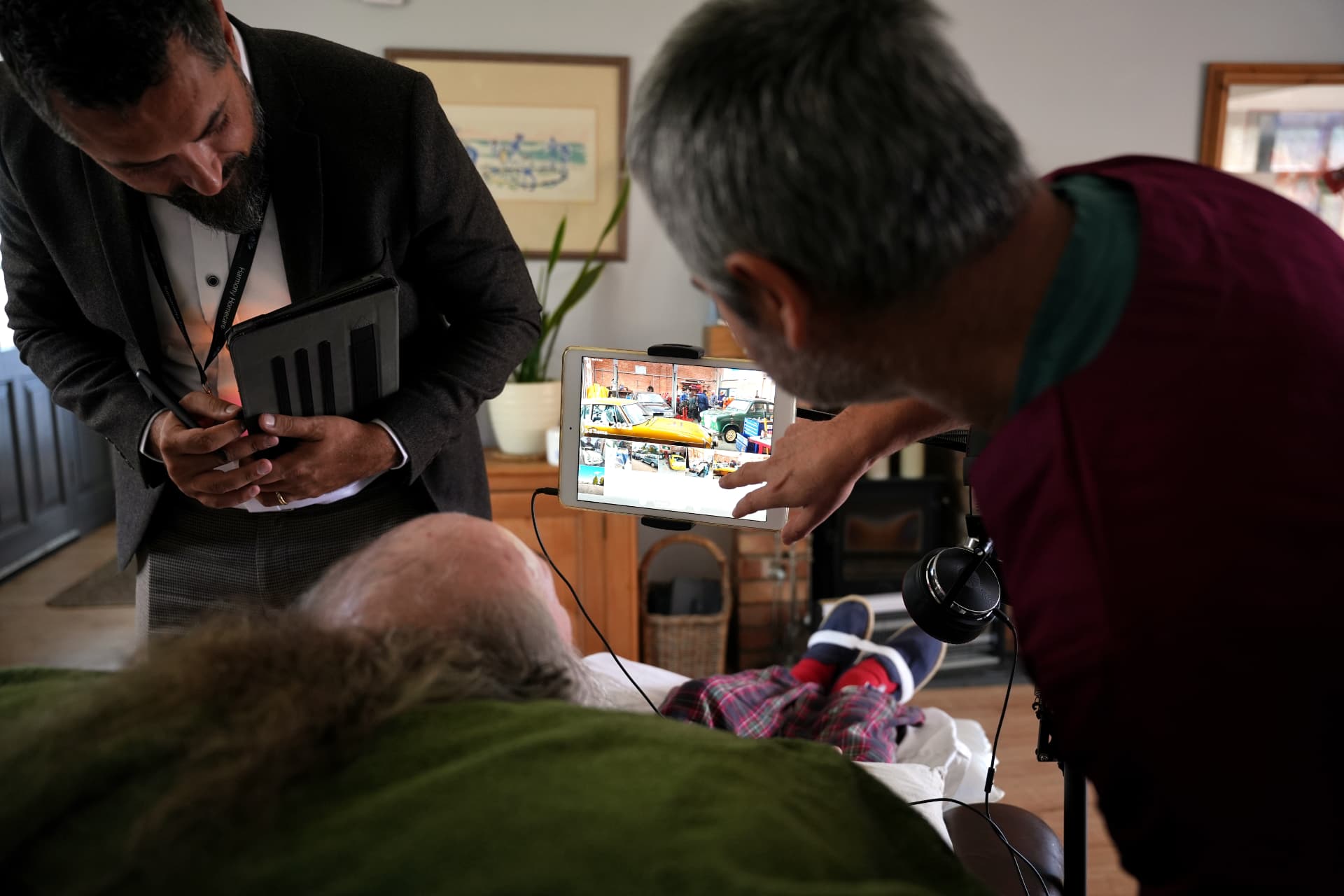
We visit for a cuppa and build a plan around the person, not a template.

Step 3

Care begins

A small, familiar team starts visits, and we stay close as things change.

Ways we help

Care shaped around one person at a time.

We don't sell packages off a shelf. Below are the kinds of support we provide most often. Most plans blend two or three of these together.

Companionship & everyday company

Sometimes the most important thing a carer does is turn up, sit down and take a real interest. A regular visitor changes the shape of a week.

  • A proper cup of tea and a chat
  • Walks, hobbies and light outings
  • Trips to the shops or the hairdresser
  • A friendly face for people living alone

Personal care with dignity

Bathing, dressing, continence care. The sensitive parts of the day handled without fuss, at whatever pace the person wants.

  • Morning starts and evening wind-downs
  • Bathing, showering and skin care
  • Continence support handled gently
  • Getting dressed comfortably

Everyday help at home

The small jobs that quietly become hard work. A medication prompt, a warm meal, the laundry done, the kitchen tidy again.

  • Prompting or administering medication
  • Meal preparation and light cooking
  • Laundry, tidying and running the fridge
  • Prescription pickups and shopping

Dementia support

Familiar faces, familiar routines. We match carers who take time to know the person behind the diagnosis, and we protect the routine that keeps the day calm.

  • Consistent, small rotas
  • Life-story led approach
  • Gentle reassurance in confusion
  • Family updates and reviews

Complex & clinical needs

For people with long-term conditions, or recovering from serious illness, our senior team works alongside district nurses, GPs and hospital discharge teams.

  • Neurological and mobility support
  • Post-hospital recovery at home
  • Coordinated with health professionals
  • Detailed, reviewed care plans

Around-the-clock support

For when a few visits a week aren't enough: respite for family carers, night sitting so you can sleep, or a live-in carer sharing the home.

  • Live-in care
  • Waking or sleeping nights
  • Respite for family carers
  • Continuous, calm reassurance

Short-term support

Reablement care after hospital, illness or a fall

A few weeks of support with one aim: getting you back to doing things for yourself at home. We step back a little each week as confidence returns.

“Before every visit we ask ourselves a simple question: would this feel right for our own mum or dad? If the answer is no, we do it differently.”

— The Harmony office team

Who we support

A broad mix. Every plan is one of a kind.

People come to us at very different points in life. What they have in common is a wish to stay at home, on their own terms.

Who

Older adults still at home

Most of the people we care for are in their seventies, eighties and nineties, living in the house they raised a family in. Our job is to keep that possible for as long as it makes them happy.

Who

Recovery, respite and short stays

Coming home after a hospital stay, a fall or an operation. Or covering while a family carer takes a proper break. Support can be booked for a week, a month, or however long it's useful.

Who

Living with dementia

We take dementia care seriously. Consistent carers, unhurried visits and a real interest in the person's story make a real difference to how the day feels.

Who

Younger adults with disabilities

Care that is genuinely about independence. Support for studies, work, hobbies and a social life, not just the practical bits at the start and end of the day.

What sets us apart

Four things families tell us they value most.

01

Small, familiar rotas

We don't send a rotating cast of strangers. You get to know your carers, and they get to know you.

02

A responsive office

Real people answer the phone. Rota changes, questions and worries reach someone who can actually help.

03

Rooted in Suffolk

We're a local, independently run team, not a franchise run from another county.

04

Families kept in the loop

With permission, we keep relatives informed, especially those living further away.

Common questions

Things families often ask us.

What happens at the first visit?

Someone from our office comes to your home for a relaxed chat. No clipboard, no interrogation. We ask what a good day looks like, what feels hard right now, and what would help. Then we sketch out a plan together.

Will the same carer come each time?

Wherever we can, yes. We build small rotas around each person, so the same two or three familiar faces come round. Consistency matters, especially with dementia, and it is something we protect hard.

How short can a visit be?

A 30-minute call works well for medication or a lunchtime check-in. For personal care we usually suggest a little longer, so nobody feels rushed.

Do you help with hospital or GP appointments?

Yes. A carer can go with someone to an appointment, help them get ready beforehand and settle back in afterwards. We can also keep family who live further away in the loop.

What if we are not sure what care is needed?

Most families aren't sure at first. That's normal. Give us a call and tell us what's going on in your own words. We'll suggest a starting point and adjust as we go.

Tell us about the person we'd be caring for.

A short conversation is usually the quickest way to work out whether we're the right fit. No script, no obligation.